Seven Benefits of Chiropractic Care
What adjustments actually target (pain, mobility, posture) and what the honest limits are.


By Douglas James
December 23, 2025 at 4:00 PM PST
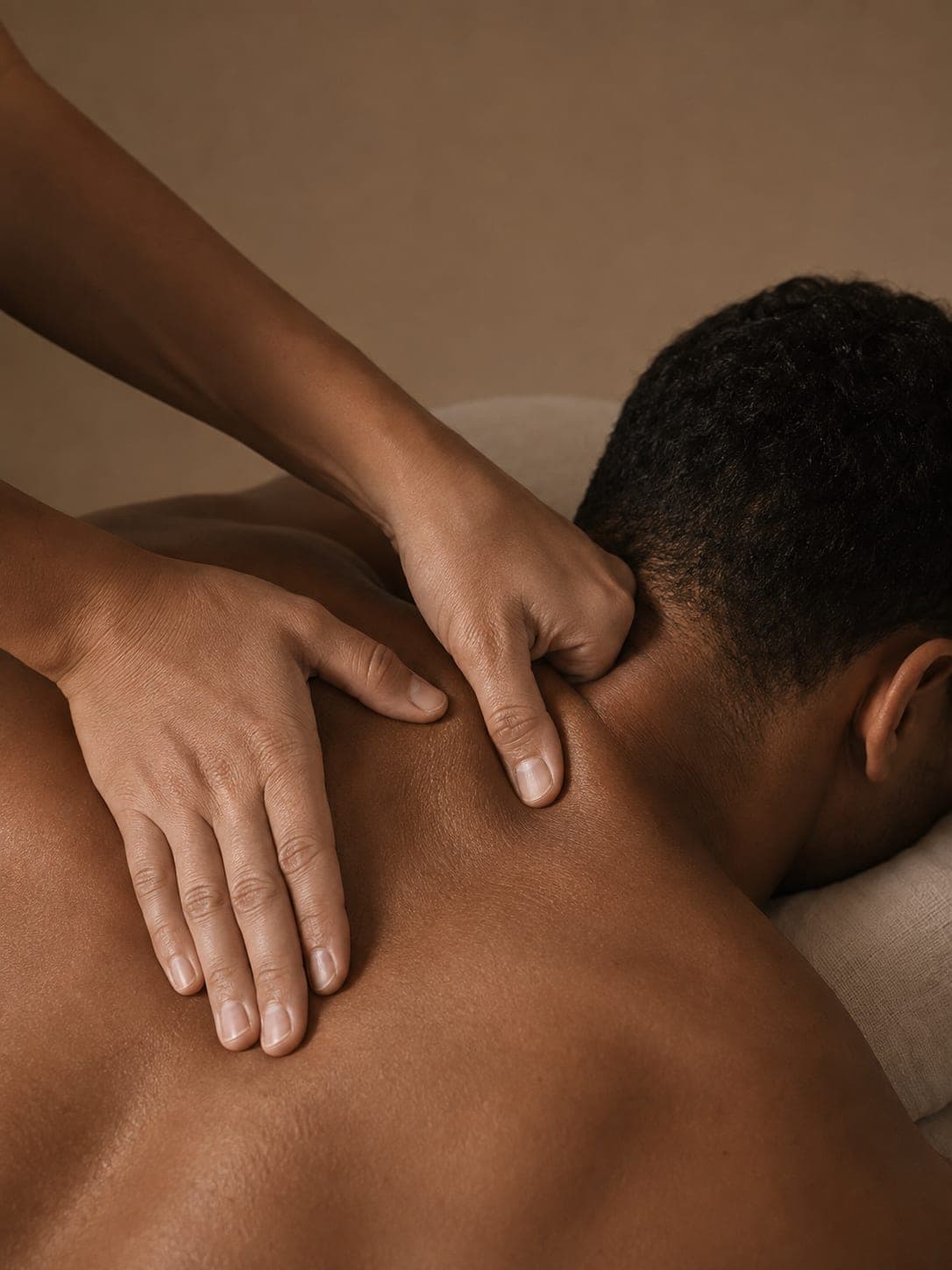
Nerve pain in the feet has a particular cruelty to it: it interferes with walking, with sleeping, and with standing still. As more people look for options that are not another prescription, acupuncture comes up often. Here is a realistic look at where it fits.
Peripheral neuropathy is damage or irritation to the nerves outside the brain and spinal cord. It most commonly affects the hands and feet, and foot symptoms are the most frequently reported.
Typical symptoms include:
Common causes include diabetes, chemotherapy, injury, nerve compression, vitamin B12 deficiency, thyroid disease, alcohol use, and some autoimmune conditions. Several of these are treatable at the source, which is why the first step is diagnosis rather than symptom management.
If you have not had your neuropathy investigated, do that first. Blood work can identify diabetes, B12 deficiency, and thyroid problems, and treating the underlying cause is what actually changes the trajectory. Acupuncture is a symptom-management tool that belongs alongside that workup, not instead of it.
Acupuncture involves placing very fine needles at specific points. For neuropathy, treatment generally focuses on:
The research picture is mixed but not discouraging. Several trials, particularly in diabetic peripheral neuropathy and chemotherapy-induced peripheral neuropathy, have found improvement in symptom scores compared with usual care. Studies are generally small and results vary. What acupuncture has not been shown to do is regenerate damaged nerves. You will see that claim made, and it is not supported.
The most commonly reported changes are reduced burning and tingling, less sensitivity, and (often the one people value most) being able to sleep through the night. Improvement, when it happens, tends to be gradual across sessions rather than dramatic after one.
A first session starts with a detailed history: where the symptoms are, what they feel like, what makes them worse, what else is going on medically. Treatment is individualized and may involve points in the feet, legs, hands, and elsewhere.
Sessions are gentle, and most people find them relaxing. A reasonable plan is one or two sessions a week for four to six weeks, then an honest assessment of whether anything has changed. Longstanding neuropathy generally takes longer to respond than recent-onset symptoms.
If you have diabetes, take extra care: reduced foot sensation means you may not feel a problem developing. Keep up with your foot checks and tell your acupuncturist about any open sores, infections, or circulation issues before treatment.
How many sessions before I know? Many people notice a change within four to six sessions. If nothing has shifted by then, it is worth reassessing rather than continuing on autopilot.
Does it hurt? Most people feel very little, a light pinch, warmth, or a mild tingle. Needles are far thinner than injection needles.
Can I keep taking my medication? Yes. Acupuncture is used alongside medication. Do not change any prescription without talking to the provider who wrote it.
Will insurance cover it? It depends on the plan and the diagnosis. Call and ask about acupuncture benefits and visit limits.
Neuropathy is frustrating precisely because there is rarely one clean fix. Acupuncture is a low-risk option that helps a meaningful share of people manage symptoms, used as part of a plan that includes proper medical evaluation. We will give you a straight assessment of whether it is worth trying in your case.
Create an account for more features!
Slug: acupuncture-for-peripheral-and-foot-neuropathy-relief
Last updated: September 16, 2026 at 3:47 PM PDT

What adjustments actually target (pain, mobility, posture) and what the honest limits are.
Philosophy, specialization, and technique all vary. Here is how to tell the approaches apart.
Why massage is maintenance rather than indulgence, and how sessions get adapted for common male tension patterns.