Seven Benefits of Chiropractic Care
What adjustments actually target (pain, mobility, posture) and what the honest limits are.


By Douglas James
December 23, 2025 at 4:00 PM PST
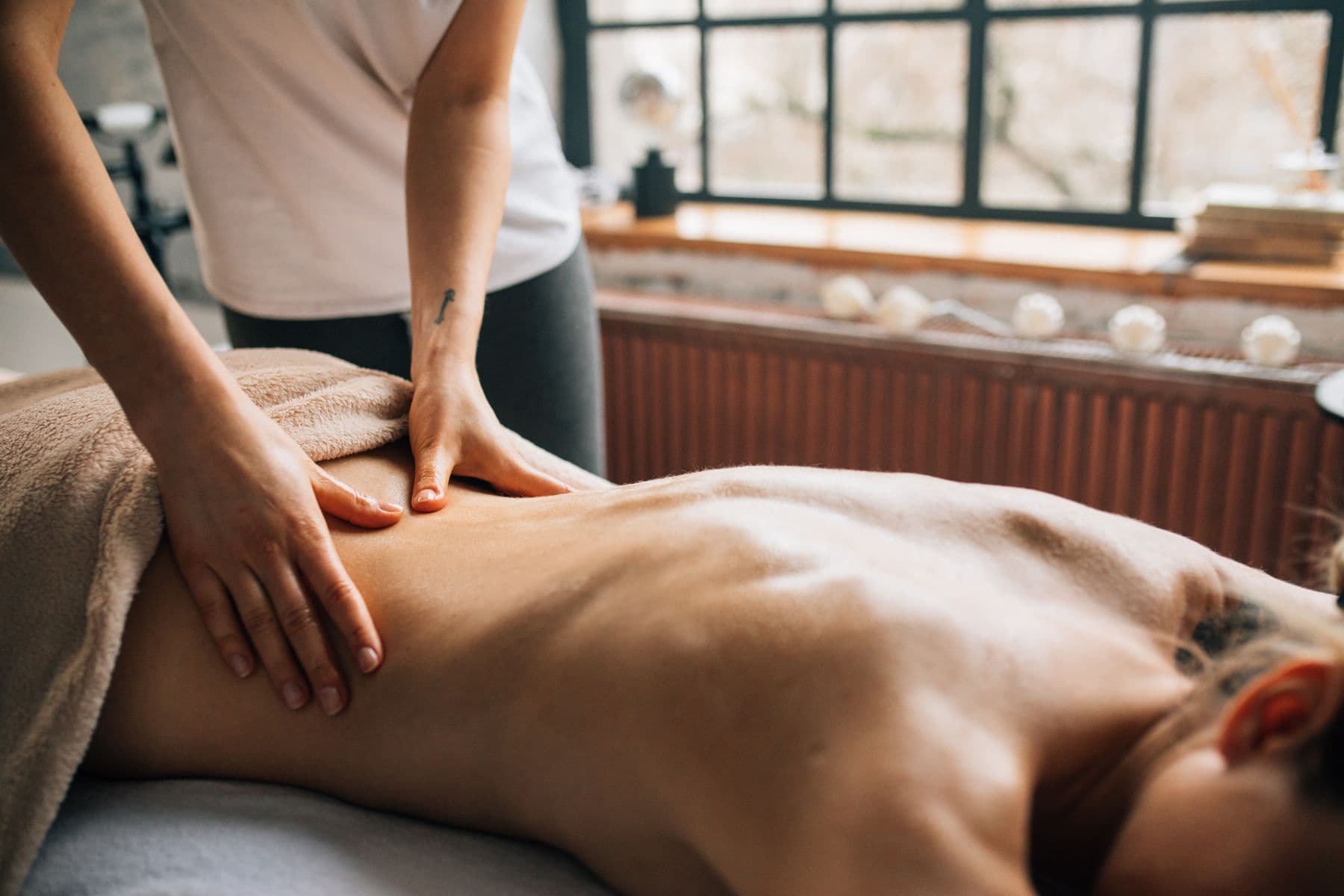
Massage gets filed under relaxation, which undersells it. For a lot of men it is closer to maintenance, the thing that keeps a bad shoulder from becoming a chronic bad shoulder, and keeps a stressful stretch from turning into three weeks of poor sleep.
Stress and tension also tend to land in predictable places depending on how you spend your days: physical labor, hard training, long hours at a desk, or sustained mental pressure each leave their own signature. A session built around those patterns is more useful than a generic one.
The fundamentals are the same. What changes is emphasis. Common patterns include:
So sessions often involve deeper pressure, more time on large muscle groups, and techniques aimed at mobility and recovery rather than relaxation alone. None of this is a rule, plenty of men prefer lighter work, and pressure should always be adjusted to what you actually want.
Chronic stress shows up physically: tight muscles, headaches, clenched jaw, poor sleep. Massage helps shift the body out of a keyed-up state, and most people notice it during the session itself. Research on cortisol changes is mixed, but the subjective effect, feeling less wound up, is consistent enough that it is worth having on its own terms.
Deep tissue and therapeutic techniques work below the surface layer, addressing tight bands of muscle and connective tissue. This is the most tangible benefit for most people: chronic shoulder, neck, and low back tension eases, and post-workout or post-shift soreness is more manageable.
Tight muscles limit how you move, which affects both performance and injury risk. Regular soft-tissue work, paired with actually stretching, helps maintain range of motion, increasingly important as you get older.
Massage increases local blood flow. Practically, people report less soreness after hard training or physically demanding work, and a faster return to feeling normal.
This one is underrated. Physical tension and a busy head both interfere with sleep, and a session that addresses the first often helps the second. Better sleep improves nearly everything else, including how you perceive pain.
For a lot of men, a massage is the only hour in the week with no phone, no task, and nothing to solve. That is not a small thing, and it is a legitimate reason to book one.
Regular sessions catch tension before it becomes a problem you have to work around. The car-servicing analogy is overused, but it is accurate: dealing with things early is cheaper than dealing with them late.
| Type | Best for |
|---|---|
| Deep tissue | Chronic tension, stubborn knots |
| Swedish | Relaxation, general stress relief |
| Sports massage | Athletic recovery and performance |
| Therapeutic / medical massage | Pain management, mobility, injury recovery |
| Trigger point therapy | Specific referred-pain patterns |
Massage therapy has reasonable evidence for short-term relief of musculoskeletal pain, for reducing muscle soreness after exercise, and for improving subjective relaxation and sleep quality. It is not a treatment for disease, and it should not be presented as one. As a complementary approach to stress, musculoskeletal discomfort, and recovery, the support is solid.
How often? Every two to four weeks suits most people. During heavy training or a stressful period, more often; during a quiet stretch, less.
Is deep tissue always better? No. Deep pressure is popular but it is not automatically more effective. The best choice depends on what you are dealing with and what you find tolerable.
Should it hurt? Firm, yes; sharp or breath-holding, no. Speak up, a good therapist wants the feedback and will adjust.
What if it is my first time? Start with a therapeutic or Swedish session and adjust pressure as you go. You do not have to commit to the deepest option available.
Is it safe for muscle pain? Generally yes, with a qualified therapist. Tell them about injuries, blood thinners, blood clots, recent surgery, or skin conditions before you start.
Massage is maintenance, recovery, and balance rather than indulgence. Whether you are managing stress, training hard, or just tired of a shoulder that has bothered you for a year, it is worth an hour. Book a session whenever you are ready.
Create an account for more features!
Slug: benefits-of-mens-massage-how-it-boosts-health-relieves-stress
Last updated: September 16, 2026 at 3:47 PM PDT

What adjustments actually target (pain, mobility, posture) and what the honest limits are.
Philosophy, specialization, and technique all vary. Here is how to tell the approaches apart.
Burning, tingling, and numbness in the feet: where acupuncture fits in a broader treatment plan.