Seven Benefits of Chiropractic Care
What adjustments actually target (pain, mobility, posture) and what the honest limits are.


By Douglas James
March 20, 2025 at 5:00 PM PDT

Something has shifted in how people around here approach their health. More patients arrive already thinking in terms of prevention, root causes, and combining approaches rather than picking one. Beaverton is a good place to watch that happen, a health-conscious community with easy access to both conventional and complementary care.
The word gets stretched, so it is worth defining. Holistic care means treating the person rather than the isolated symptom: asking what is producing a problem, not only where it hurts. In practice that means looking at movement patterns, work setup, sleep, stress, and activity level alongside the specific complaint.
It does not mean rejecting conventional medicine. The version that works is integrative, complementary care coordinated with your primary care provider and any specialists you see, each doing what it is good at.
A few reasons come up repeatedly from patients:
The most common entry point, usually for back or neck pain, headaches, or a specific injury. Adjustments combined with rehab exercise address both the immediate restriction and the mechanics behind it. A fair number of patients continue with periodic visits afterward because they prefer how they feel, though that is a choice, not a requirement.
Once seen as fringe, now used routinely in hospital pain and oncology programs. Locally, patients seek it for chronic pain, migraines, stress, sleep problems, and fertility support. It combines well with chiropractic care, which is why a lot of clinics now offer both.
Not just relaxation. Therapeutic and medical massage support injury recovery, circulation, and mobility, and pair naturally with chiropractic and acupuncture in a single plan. For many patients it is the piece that makes the other two hold.
Broader interest in food quality, sleep, and stress management runs through all of this. Worth noting: nutrition counseling is its own discipline and should come from a registered dietitian or your physician. It is part of the local trend, but it is not something every wellness clinic is qualified to provide, ask about credentials.
Integration between conventional and complementary care is likely to keep increasing. It is already standard in pain management and oncology supportive care. The friction points are practical ones: insurance coverage remains uneven, and communication between providers is often left to the patient to coordinate.
You do not have to overhaul anything to begin. Most people start because one specific thing hurts, find that a plan combining approaches helps more than any one of them alone, and go from there. That is a perfectly good way to start, here is what a first visit looks like.
Create an account for more features!
Slug: holistic-healthcare-trends-beaverton-oregon
Last updated: September 16, 2026 at 3:47 PM PDT
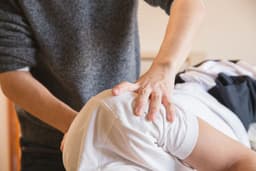
What adjustments actually target (pain, mobility, posture) and what the honest limits are.
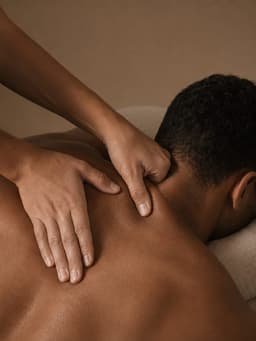
Philosophy, specialization, and technique all vary. Here is how to tell the approaches apart.
Burning, tingling, and numbness in the feet: where acupuncture fits in a broader treatment plan.