Seven Benefits of Chiropractic Care
What adjustments actually target (pain, mobility, posture) and what the honest limits are.


By Douglas James
January 6, 2025 at 4:00 PM PST
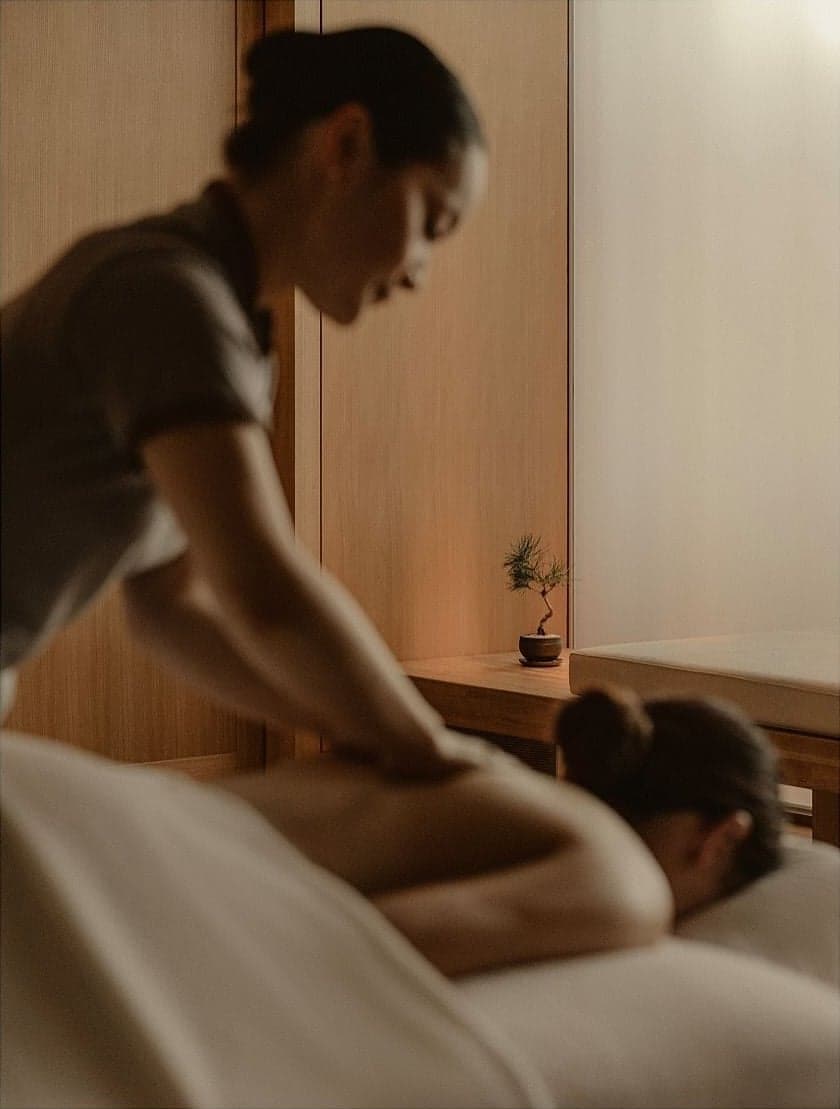
Before anything else: acupuncture does not treat cancer. It is used as supportive care to help manage the side effects of cancer treatment and to support quality of life during it. If you are in active treatment, talk with your oncology team before starting acupuncture. They know your counts, your schedule, and your risks, and they should be part of the decision.
With that established, acupuncture has become a common part of supportive care at major cancer centers, and it is worth understanding what it is and is not used for.
Acupuncture involves placing fine needles at specific points on the body. In an oncology setting it sits alongside chemotherapy, radiation, surgery, and medication, an addition to the plan, aimed at symptoms and comfort rather than at the disease.
This is the best-supported use in cancer care. Acupuncture and acupressure at the P6 point have been studied extensively for chemotherapy-induced nausea and vomiting, and are recommended in several integrative oncology guidelines as an adjunct to anti-nausea medication.
Acupuncture is used for cancer-related pain, post-surgical discomfort, joint pain associated with aromatase inhibitors, and chemotherapy-induced peripheral neuropathy. Evidence is strongest for aromatase inhibitor joint pain; for the others it is more mixed but generally favorable.
Cancer-related fatigue is one of the most common and least well-addressed symptoms of treatment. Some trials have found modest improvement with acupuncture; results vary.
Many patients use acupuncture for the calming effect of the sessions themselves, and report that it helps with anxiety and with sleep disrupted by pain, worry, or hormonal changes. This is a real benefit even where the mechanism is uncertain.
For patients experiencing treatment-induced hot flashes, particularly where hormone therapy is not an option, acupuncture is among the non-pharmacological approaches that have been studied.
If a practitioner suggests acupuncture can treat the cancer itself, boost immunity enough to fight it, or substitute for conventional treatment, leave. Those claims are not supported and, in this context, are dangerous.
Many cancer centers now include acupuncture in their supportive care programs precisely because it addresses symptoms that medication handles imperfectly. Used that way (coordinated, realistic about its scope, and layered onto good oncology care) it can make a difficult stretch more bearable.
If you are considering it, bring it up at your next oncology appointment. We are glad to coordinate with your care team.
Create an account for more features!
Slug: acupuncture-benefits-cancer-care
Last updated: September 16, 2026 at 3:47 PM PDT

What adjustments actually target (pain, mobility, posture) and what the honest limits are.

Philosophy, specialization, and technique all vary. Here is how to tell the approaches apart.
Burning, tingling, and numbness in the feet: where acupuncture fits in a broader treatment plan.